The Ultimate Guide to Balayage Hair Color: Techniques, Maintenance, and Styling Tips for 2026
Balayage has revolutionized the world of hair coloring, transforming how we think about highlights and dimensional color. This French technique has become the gold standard for achieving natural-looking, sun-kissed hair that requires minimal maintenance while delivering maximum impact.
Understanding Balayage: More Than Just a Hair Trend
Balayage, derived from the French word meaning “to sweep,” represents a fundamental shift in hair coloring philosophy. Unlike traditional highlighting methods that use foils and create uniform patterns, balayage is a freehand painting technique that allows colorists to customize each stroke to complement your unique hair texture, face shape, and natural movement.
The technique gained prominence in Parisian salons during the 1970s but experienced a massive resurgence in the 2010s. Today, it remains one of the most requested services in salons worldwide, and for good reason. The hand-painted approach creates a gradual, natural-looking color progression that mimics how the sun would naturally lighten hair over time.
What sets balayage apart is its incredible versatility. Whether you have poker-straight hair, beachy waves, or tight curls, balayage can be adapted to enhance your natural texture. The technique works equally well on short pixie cuts and long, flowing locks, making it a universally flattering option for anyone seeking dimensional color.
The Science Behind Beautiful Balayage
Understanding the technical aspects of balayage helps explain why this technique produces such stunning results. The process involves strategic placement of lighter tones to create depth and dimension while maintaining the integrity of your natural hair color.
Color Theory and Placement Strategy
Professional colorists use principles of color theory to determine the perfect shade combination for each client. The placement isn’t random—it follows the natural patterns where sunlight would hit your hair. This typically means concentrating lighter pieces around the face, on the surface layers, and toward the ends.
The transition from your natural root color to the lightened ends should be seamless and gradual. Skilled colorists achieve this by varying the saturation and placement of color, creating multiple tones that blend harmoniously. This multi-dimensional approach is what gives balayage its signature depth and prevents the flat, one-dimensional look that can occur with other coloring methods.
Developer Strength and Processing Time
The developer strength used in balayage significantly impacts the final result. Lower volume developers (10 or 20 volume) create subtle lifts and are gentler on hair, while higher volumes (30 or 40) achieve more dramatic lightening. Professional colorists carefully select the appropriate strength based on your natural hair color and desired end result.
Processing time is equally crucial. Unlike traditional highlights that follow strict timing protocols, balayage allows for more flexibility. Different sections may process for varying lengths of time to achieve the perfect color gradient. This customized approach ensures that each strand reaches its optimal tone without over-processing.
Balayage Techniques for Different Hair Types
The beauty of balayage lies in its adaptability, but each hair type requires specific considerations for optimal results.
Fine and Thin Hair Considerations
Fine hair presents unique challenges and opportunities for balayage. Too many highlights can make already-thin hair appear sparse, so strategic placement is essential. Colorists typically focus on creating the illusion of thickness by placing lighter pieces underneath and around the face.
The key is subtlety. Soft, blended highlights that are only a few shades lighter than the base color create dimension without overwhelming the hair. This approach adds visual volume and movement while maintaining a natural appearance. Fine hair also tends to process color more quickly, so careful monitoring during application prevents over-lightening.
Thick and Coarse Hair Applications
Thick hair provides an ideal canvas for more dramatic balayage effects. The abundance of hair allows colorists to be bolder with their placement and contrast. Wider sections and more pronounced color variation create stunning dimension without looking overdone.
Coarse hair texture typically requires longer processing times and may need higher volume developer to achieve desired lift. However, the payoff is worth it—thick hair showcases the full spectrum of balayage artistry, with multiple tonal variations creating a rich, luxurious appearance.
Curly and Textured Hair Balayage
Balayage on curly hair requires a specialized approach that respects the natural curl pattern. Colorists must consider how curls will spring up after cutting and how the color will appear both when curly and when stretched.
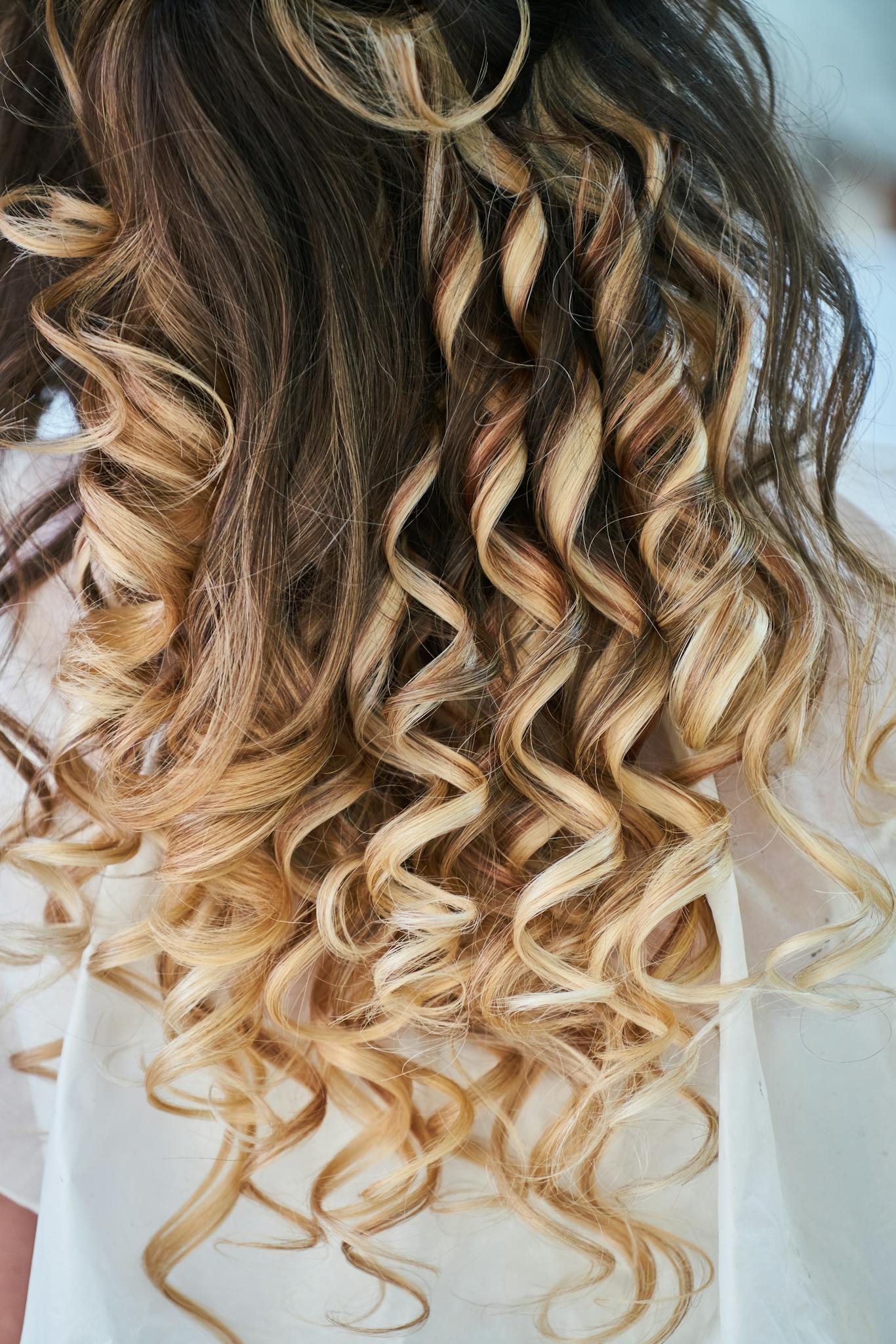
The technique often involves painting color on curl clumps rather than individual strands, focusing on the areas where light naturally catches. This creates a gorgeous halo effect that enhances the curls’ natural beauty. Curly hair also benefits from balayage’s forgiving nature—the texture naturally disguises any imperfections and creates organic blending.
Choosing the Perfect Balayage Color Palette
Color selection is where balayage transforms from technique to art. The right palette enhances your natural beauty and complements your skin tone.
Warm-Toned Balayage Options
Warm balayage encompasses rich, golden hues that add warmth and radiance to your look. Honey blonde, caramel, butterscotch, and copper tones fall into this category. These shades are particularly flattering on warm and neutral skin tones.
Honey balayage has become incredibly popular for brunettes seeking a subtle change. The golden tones catch light beautifully and create a sun-kissed effect that looks naturally earned rather than salon-achieved. Caramel balayage offers slightly deeper warmth, perfect for those who want dimension without going too light.
For the more adventurous, copper and auburn balayage tones create vibrant, eye-catching results. These fiery hues work exceptionally well on medium to dark base colors and add incredible richness and depth.
Cool-Toned Balayage Selections
Cool balayage shades include ash blonde, platinum, silver, and icy champagne tones. These colors neutralize warmth and create a sophisticated, modern aesthetic. They’re particularly stunning on cool and neutral skin tones.
Ash balayage has gained massive popularity for its ability to create a chic, edgy look while eliminating brassy undertones. The silvery-gray tones offer a contemporary take on traditional blonde highlights. Platinum balayage represents the ultimate in cool tones, creating a striking, high-contrast look.
Icy champagne tones offer a softer alternative to stark platinum while maintaining cool undertones. These shades create an ethereal, dimensional effect that’s both elegant and fashion-forward.
Trendy Balayage Color Combinations
Beyond traditional blonde balayage, creative color combinations have emerged as popular options. Brunette balayage with chocolate and chestnut tones creates depth on dark hair. Red balayage incorporating auburn and copper creates dimension for redheads.
Rose gold balayage blends warm pink tones with blonde, creating a romantic, feminine look. This trending color works surprisingly well on various skin tones and has become a favorite for those seeking something unique yet wearable.
The Balayage Application Process
Understanding the application process helps set realistic expectations and appreciate the artistry involved.
Consultation and Color Planning
Every successful balayage begins with a thorough consultation. Professional colorists assess your hair’s current condition, natural color, previous color history, and desired outcome. They consider your lifestyle, maintenance commitment, and how the color will complement your features.
During consultation, colorists may create a color formula tailored specifically to you. They’ll discuss realistic goals, especially if significant lightening is desired. Multiple sessions might be necessary to achieve dramatic color changes while maintaining hair health.
Sectioning and Preparation
Proper sectioning sets the foundation for beautiful balayage. Hair is typically divided into multiple sections, allowing the colorist to work methodically and ensure even coverage. The sectioning pattern varies based on the desired effect and hair length.
Some colorists prefer triangular sections that follow the natural hair growth pattern, while others use horizontal sections for more dramatic results. The section size also matters—smaller sections allow for more precise placement and detailed work.
Hand-Painting Technique
The actual application involves carefully painting lightener or color onto selected hair strands. Colorists use various brush techniques to achieve different effects. Sweeping motions create soft, blended transitions, while more saturated application delivers bolder results.
The angle of application significantly impacts the final look. Diagonal strokes create natural dimension, while vertical application can elongate the face. Experienced colorists adjust their technique throughout the application to ensure the most flattering result.
Processing and Toning
After application, the color processes at room temperature without foils, unless a foilyage technique is used. Processing time varies depending on desired lift and natural hair color. Colorists monitor the development closely, checking multiple sections to ensure even lifting.
Once the desired level is reached, hair is rinsed and often toned to achieve the perfect final shade. Toning neutralizes unwanted warm or cool tones and adds depth and richness to the color. This final step is crucial for achieving that perfect, salon-polished look.
Maintaining Your Balayage Between Salon Visits
Proper maintenance preserves your balayage’s beauty and extends time between touch-ups.
Washing and Cleansing Guidelines
How you wash your hair significantly impacts color longevity. Wait at least 48 hours after coloring before the first wash, allowing the color to fully set. When you do wash, use lukewarm or cool water—hot water opens the hair cuticle, allowing color molecules to escape.
Limit washing frequency to 2-3 times per week if possible. Over-washing strips natural oils and fades color prematurely. On non-wash days, dry shampoo absorbs oil and refreshes your style without water exposure.
Invest in sulfate-free shampoos and conditioners formulated for color-treated hair. Sulfates are harsh detergents that strip color and moisture. Color-safe formulas cleanse gently while preserving vibrancy.
Deep Conditioning and Treatment
Color processing, even gentle balayage, affects hair structure. Regular deep conditioning treatments replenish moisture and maintain hair health. Weekly masks or intensive conditioners restore softness and shine.
Look for treatments containing proteins to strengthen hair and prevent breakage. However, balance is key—too much protein can make hair brittle. Alternate between protein treatments and moisturizing masks for optimal results.
Leave-in conditioners and hair oils provide ongoing nourishment between deep treatments. Focus application on mid-lengths and ends, where hair is oldest and most prone to dryness.
Heat Protection and Styling

Heat styling tools can accelerate color fading and damage. Always apply heat protectant before using flat irons, curling wands, or blow dryers. These products create a barrier that minimizes heat damage.
Lower heat settings are gentler on color-treated hair. Modern styling tools heat quickly and efficiently at moderate temperatures, making high heat unnecessary. Air-drying occasionally gives hair a break from heat exposure.
When using hot tools, work quickly and avoid repeated passes over the same section. Each heat exposure weakens hair and fades color incrementally.
Purple Shampoo and Toning Products
For blonde balayage, purple shampoo is a game-changer. The purple pigments neutralize brassy yellow tones that develop over time, keeping blonde shades cool and bright. Use once or twice weekly, leaving it on for 3-5 minutes.
Don’t overuse purple shampoo, as excessive use can create an unwanted purple or ashy cast. Follow package directions and adjust frequency based on how your hair responds.
Color-depositing conditioners and glosses can refresh your balayage between salon visits. These products add subtle color and enhance shine, keeping your balayage looking freshly done.
Common Balayage Mistakes and How to Avoid Them
Even experienced stylists encounter challenges. Understanding common pitfalls helps ensure better results.
Over-Processing and Damage
The most serious mistake is over-processing, which causes significant damage. Hair becomes brittle, breaks easily, and loses its natural elasticity. This typically results from using developer that’s too strong or leaving lightener on too long.
Prevention is key. Reputable colorists assess hair condition before beginning and may refuse service if hair is too damaged. Building to your desired color over multiple sessions protects hair integrity.
If over-processing occurs, focus on intensive repair. Protein treatments, bond-building products, and minimal heat styling help rebuild hair structure. In severe cases, cutting damaged sections may be necessary.
Poor Color Placement
Improper placement creates unnatural, stripy results rather than the soft dimension balayage should provide. This often happens when sections are too chunky or placement doesn’t follow natural light patterns.
Professional training and experience prevent this issue. If you’re unhappy with placement, communicate with your stylist. Often, additional lowlights or adjustments can correct the issue without starting over.
Ignoring Undertones
Every hair color has underlying warm or cool tones that emerge during lightening. Ignoring these undertones results in unwanted brassiness or ashiness. This is particularly common when lightening dark hair without proper toning.
Skilled colorists anticipate undertones and plan accordingly. They may use different color formulas on different sections or apply multiple toners to achieve the perfect shade throughout.
Inadequate Blending
Harsh lines between colored and natural sections defeat balayage’s purpose. Proper blending requires technique and artistic vision. The transition should be imperceptible, creating the illusion that your hair naturally grew that way.
If blending is insufficient, additional color application can soften transitions. Sometimes a second session specifically for blending creates the seamless result desired.
Balayage for Different Hair Lengths
Hair length significantly influences balayage technique and results.
Short Hair Balayage
Short hair offers a unique canvas for balayage. While there’s less length for color gradation, strategic placement creates impressive dimension. Face-framing pieces lighten features and add brightness.
Pixie cuts and bobs showcase balayage beautifully when color is concentrated around the face and on surface layers. The key is precise placement—every piece counts when working with limited length.
Short balayage requires more frequent maintenance as hair grows out quickly. However, the refresh process is typically faster and less expensive than longer hair.
Medium-Length Balayage
Medium-length hair (shoulder to mid-back) provides ideal proportions for balayage. There’s enough length to showcase full color transition while remaining manageable and easy to style.
This length allows for various balayage patterns—from subtle face-framing highlights to more dramatic ombre effects. The versatility makes it popular among balayage enthusiasts.
Styling options abound with medium-length balayage. Beachy waves showcase dimensional color beautifully, while sleek straight styles highlight the color placement precision.
Long Hair Balayage
Long hair offers maximum opportunity for dramatic balayage effects. The extended length allows for gradual color transition from dark roots to lighter ends, creating stunning ombre or sombre effects.
The challenge with long hair is ensuring even saturation and processing, especially on very thick hair. Sectioning becomes more critical, and application time increases.
Long balayage showcases color beautifully but requires commitment to maintenance. Ends, being oldest and most processed, need extra care to prevent dryness and breakage.
Seasonal Balayage Trends and Inspiration
Balayage trends evolve with seasons, reflecting changing light and fashion preferences.
Spring and Summer Balayage
Warmer months inspire lighter, brighter balayage. Golden blondes, sun-kissed caramels, and beachy bronde (brown-blonde) shades dominate. The goal is capturing that fresh-from-vacation glow.
Lighter placement around the face and more generous highlight distribution create summer’s signature look. The overall effect should be bright, fresh, and effortlessly beautiful.
Summer is also popular for more adventurous colors. Subtle pastel balayage or vibrant fashion colors make appearances as people embrace playful, temporary color additions.
Fall and Winter Balayage
Cooler months bring richer, deeper balayage tones. Chocolate browns, auburn, burgundy, and deeper caramels reflect autumn’s color palette. The overall effect is warmer and more sophisticated.
Winter embraces cool tones—ash browns, icy blondes, and silver highlights create elegant, refined looks. The contrast between darker bases and cool highlights appears particularly striking.
Seasonal transitions don’t require complete color overhauls. Often, adjusting tone through glossing or adding strategic lowlights shifts your balayage to match the season.
Balayage Compared to Other Coloring Techniques
Understanding how balayage differs from other methods helps you choose the right technique.
Balayage vs. Traditional Highlights
Traditional foil highlights create uniform, all-over color that grows out with a distinct line. Balayage offers customized placement and softer regrowth. Highlights require more frequent maintenance, typically every 6-8 weeks.
Foil highlights lift hair more dramatically due to heat generated within foils. This creates higher contrast but can be harsher on hair. Balayage’s open-air processing is gentler.
Cost-wise, balayage typically ranges higher initially but saves money long-term through extended time between appointments.
Balayage vs. Ombre
Ombre creates a distinct color gradient from dark roots to light ends with minimal blending. Balayage involves more intricate placement and natural blending throughout the hair.
Ombre makes a bold statement with clear color separation. Balayage appears more subtle and natural. Both techniques can coexist—balayage application methods can create ombre effects.
Maintenance differs too. Ombre’s bold demarcation is intentional and requires less frequent touch-ups. Balayage benefits from periodic glossing and toning to maintain its multi-dimensional appearance.
Balayage vs. Babylights
Babylights are extremely fine, delicate highlights that mimic the subtle dimension seen in children’s hair. They’re more time-consuming and require exceptional precision.
Balayage involves broader strokes and more visible dimension. Babylights create ultra-subtle, natural-looking highlights that add gentle brightness without obvious color changes.
Many stylists combine techniques, using babylights around the face for softness and balayage throughout the length for dimension. This hybrid approach delivers both subtlety and impact.
The Investment: Balayage Pricing and Value
Understanding balayage costs helps you budget appropriately and appreciate the value.
Factors Affecting Balayage Cost
Salon location significantly impacts pricing. Major metropolitan areas command higher prices than smaller towns. High-end salons with celebrity stylists charge premium rates.
Stylist experience and expertise matter. Master colorists who’ve perfected balayage technique charge more than junior stylists. The investment often proves worthwhile in superior results.
Hair length and thickness affect pricing. More hair requires more product and time. Very long or thick hair may cost significantly more than short or fine hair.
Color correction or dramatic transformations require additional expertise and time, increasing costs. Starting from dark hair and achieving platinum balayage is more complex than adding caramel highlights to light brown hair.
Long-Term Cost Considerations
While balayage’s initial cost may seem high, consider the long-term value. Less frequent touch-ups mean fewer salon visits and lower annual maintenance costs compared to traditional highlights.
Factor in at-home maintenance products. Quality color-safe shampoos, conditioners, and treatments represent ongoing expenses but protect your investment.
Professional glossing or toning between major color services refreshes your look at lower cost than full balayage applications. Many clients schedule these mini-services to extend time between full applications.
DIY Balayage: Proceed with Caution
While at-home balayage kits exist, professional application almost always yields better results.
Why Professional Application Matters
Balayage requires artistic vision and technical expertise. Professionals understand color theory, hair science, and application techniques that take years to master. They can assess hair condition, predict how color will lift, and make real-time adjustments.
Color correction for DIY disasters often costs more than initial professional services would have. Over-processing, uneven color, and damage are common at-home balayage mistakes.
Professional colorists use superior products unavailable to consumers. Salon-grade lighteners and toners produce better results and cause less damage than retail alternatives.
If You Choose DIY
If you’re determined to try at-home balayage, start conservatively. Choose subtle color change—only 1-2 shades lighter than your natural color. Dramatic transformations should always be left to professionals.
Watch multiple tutorials from reputable sources. Understand the process completely before beginning. Gather all necessary supplies and enlist help—balayaging your own back sections is nearly impossible.
Perform strand tests to check processing time and final color. This small step prevents catastrophic mistakes. If at any point you feel uncertain, stop and schedule a professional appointment.
Conclusion: Embracing the Balayage Lifestyle
Balayage represents more than a hair color technique—it’s a lifestyle choice that prioritizes natural beauty, low maintenance, and personalized style. The hand-painted artistry creates dimensional color that enhances your unique features while respecting your hair’s health and integrity.
Whether you’re new to balayage or a longtime devotee, understanding the technique, maintenance requirements, and styling possibilities ensures you get the most from this transformative color method. The investment in professional application and quality maintenance products pays dividends in gorgeous, healthy-looking hair that turns heads wherever you go.
As trends continue evolving, balayage’s fundamental appeal remains constant—the desire for beautiful, natural-looking color that enhances rather than overwhelms. By choosing balayage, you’re choosing a sophisticated approach to hair color that celebrates your individuality while keeping your locks looking effortlessly stunning.