7 Essential Vitamins for Hair Growth That Actually Work (2026 Guide)

Discover the 7 best vitamins for hair growth backed by science. Learn which vitamins work, proper dosages, and food sources for faster, thicker hair naturally.
Introduction
Wondering why your hair isn’t growing despite trying various treatments? The answer might be hiding in your diet. Vitamin deficiencies are a leading cause of slow growth, thinning, and excessive shedding.
Your hair needs specific vitamins and minerals to produce keratin, maintain follicle health, and complete its growth cycle. Without adequate nutrition, even the best topical treatments fail to deliver results.
This science-backed guide reveals the 7 most important vitamins for hair growth. You’ll learn exactly how each vitamin works, recommended dosages, natural food sources, and whether supplements are necessary.
Whether you’re dealing with slow growth, hair loss, or simply want to optimize your hair health, understanding these essential nutrients is crucial.
Let’s explore the vitamins that can transform your hair from the inside out.
Understanding Hair Growth and Nutrition
Hair is one of the fastest-growing tissues in your body. Each follicle produces a hair shaft made primarily of keratin, a protein built from amino acids.
This production process requires a constant supply of vitamins, minerals, and other nutrients. When your body lacks specific nutrients, hair production slows or stops as your body prioritizes vital organs over hair follicles.
The hair growth cycle has three phases:
Anagen (Growth Phase): Lasts 2-7 years. This is when hair actively grows. Proper nutrition extends this phase and increases growth rate.
Catagen (Transition Phase): Lasts 2-3 weeks. Hair stops growing and follicle shrinks.
Telogen (Resting Phase): Lasts 3-4 months. Old hair rests while new hair begins growing underneath.
Vitamin deficiencies push more follicles into the resting phase prematurely, resulting in noticeable shedding and slow regrowth.
Scientific research confirms that specific vitamin deficiencies directly correlate with various hair problems. The good news? Correcting these deficiencies often reverses hair issues completely.
The 7 Essential Vitamins for Hair Growth
1. Biotin (Vitamin B7) – The Hair Growth Superstar
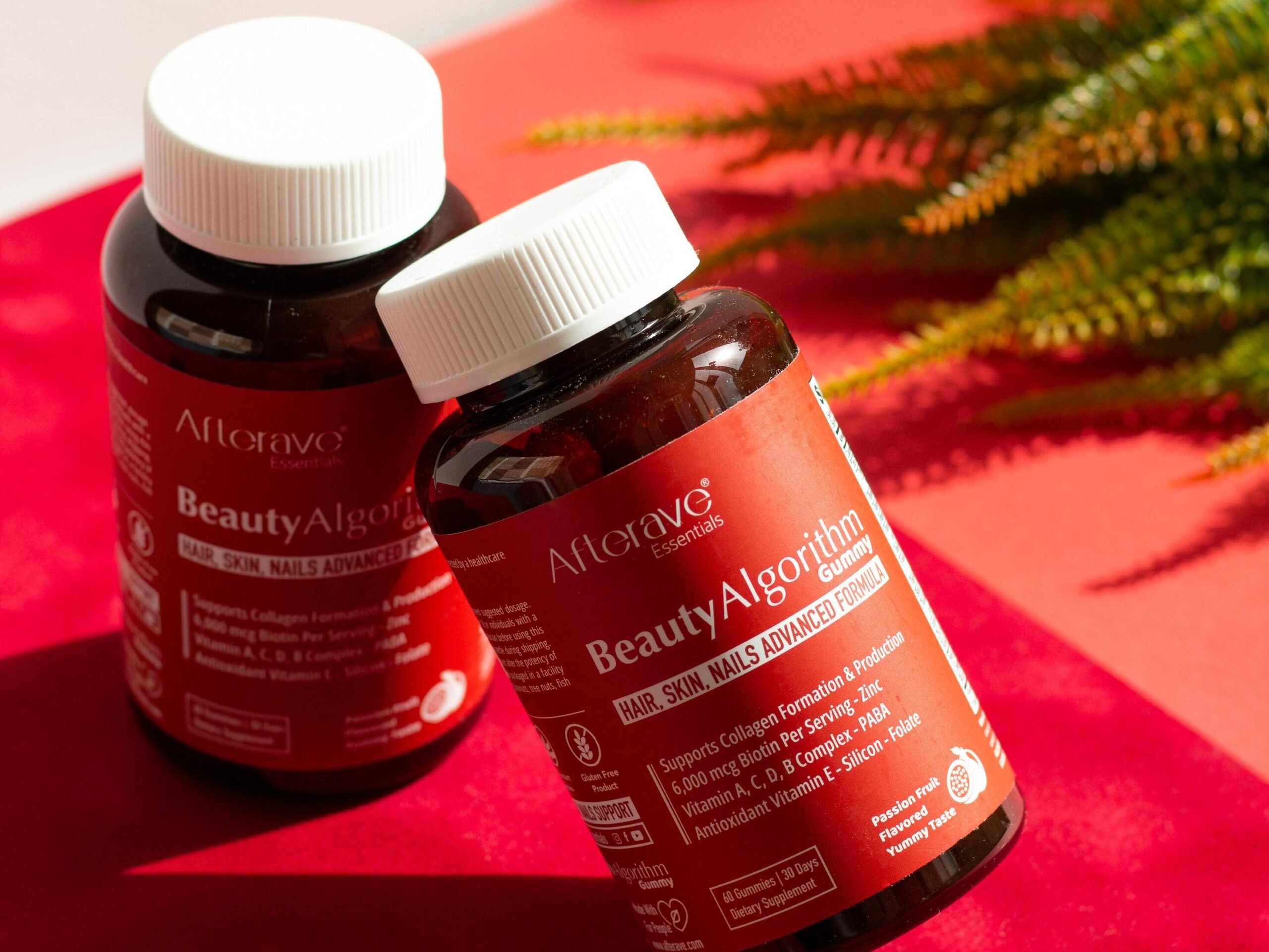
Biotin is perhaps the most famous vitamin for hair health, and research supports its reputation.
This B-vitamin plays a crucial role in keratin production. It also improves hair’s infrastructure by strengthening the protein structure, resulting in thicker, more resilient strands.
How it works:
- Metabolizes amino acids needed for keratin production
- Strengthens hair shaft structure
- Improves scalp circulation
- Supports healthy follicle function
Scientific evidence: A 2015 study showed that 38% of women with hair loss had biotin deficiency. Supplementation significantly improved growth in deficient individuals.
Recommended dosage:
- Minimum: 30 mcg daily
- Optimal for hair growth: 2,500-5,000 mcg daily
- Safe upper limit: 10,000 mcg (water-soluble, excess excreted)
Best food sources:
- Egg yolks (1 cooked egg = 10 mcg)
- Almonds (¼ cup = 1.5 mcg)
- Sweet potatoes (1 medium = 2.4 mcg)
- Spinach (1 cup cooked = 0.5 mcg)
- Salmon (3 oz = 5 mcg)
Who needs supplements: People with restrictive diets, those taking certain medications, and anyone with diagnosed deficiency.
Results timeline: 3-6 months of consistent supplementation shows visible improvements.
2. Vitamin D – The Follicle Activator
Recent research reveals vitamin D plays a critical role in creating new hair follicles and awakening dormant ones.
Vitamin D receptors are present in hair follicles. When vitamin D levels are low, follicles struggle to complete normal growth cycles.
How it works:
- Stimulates new and existing follicles
- Regulates follicle cycling
- Reduces inflammation that inhibits growth
- Supports immune function (important for alopecia)
The connection: Studies show people with alopecia areata often have significantly lower vitamin D levels than those without hair loss.
Recommended dosage:
- Minimum: 600-800 IU daily
- Optimal: 1,000-4,000 IU daily
- Maximum safe: 10,000 IU (consult doctor for high doses)
Best food sources:
- Fatty fish: salmon, mackerel, sardines
- Fortified milk and orange juice
- Egg yolks
- Mushrooms exposed to UV light
Important: Vitamin D is fat-soluble. Take with meals containing healthy fats for better absorption.
Sun exposure: 10-30 minutes of midday sun on arms and legs several times weekly helps your body produce vitamin D naturally.
Testing: Ask your doctor for 25-hydroxy vitamin D blood test. Optimal range for hair health: 40-60 ng/mL.
3. Vitamin E – The Antioxidant Protector
Vitamin E protects hair follicles from oxidative stress caused by free radicals. This protection keeps follicles healthy and functioning optimally.
How it works:
- Powerful antioxidant prevents cellular damage
- Improves blood circulation to scalp
- Balances oil production
- Protects against environmental damage
Research findings: A 2010 study showed vitamin E supplementation increased hair growth by 34.5% in people with hair loss compared to placebo.
Recommended dosage:
- Minimum: 15 mg daily
- Optimal: 15-30 mg daily
- Upper limit: 1,000 mg (high doses can have side effects)
Best food sources:
- Sunflower seeds (1 oz = 7.4 mg)
- Almonds (1 oz = 7.3 mg)
- Spinach (1 cup cooked = 3.7 mg)
- Avocado (1 medium = 2.7 mg)
- Olive oil (1 tablespoon = 2 mg)
Topical use: Vitamin E oil can be applied directly to scalp. It improves blood circulation and delivers antioxidants locally.
4. Vitamin A – The Cell Growth Regulator
Vitamin A is essential for cell growth, including hair cells. It also helps scalp glands produce sebum, which keeps hair moisturized and healthy.
How it works:
- Promotes healthy cell growth and division
- Sebum production prevents dry, brittle hair
- Supports immune function
- Acts as antioxidant
The balance: Too little vitamin A causes hair problems, but too much also causes hair loss. Balance is crucial.
Recommended dosage:
- Women: 700 mcg RAE daily
- Men: 900 mcg RAE daily
- Never exceed 3,000 mcg RAE from supplements (can be toxic)
Best food sources:
- Sweet potatoes (1 medium = 1,400 mcg RAE)
- Carrots (1 cup = 1,000 mcg RAE)
- Spinach (1 cup cooked = 940 mcg RAE)
- Kale (1 cup = 885 mcg RAE)
- Eggs (1 large = 80 mcg RAE)
Important warning: Pregnant women should consult doctors before taking vitamin A supplements. Excess can harm fetal development.
Pro tip: Eat vitamin A-rich foods with healthy fats (it’s fat-soluble) for maximum absorption.
5. Vitamin C – The Collagen Builder
Vitamin C is crucial for collagen production, a protein that strengthens hair structure. It also enhances iron absorption, preventing deficiency-related hair loss.
How it works:
- Collagen production strengthens hair
- Powerful antioxidant fights free radical damage
- Enhances iron absorption (iron crucial for hair)
- Supports healthy capillaries feeding follicles
Research evidence: Oxidative stress contributes to aging and hair loss. Vitamin C’s antioxidant properties combat this effectively.
Recommended dosage:
- Minimum: 75 mg (women), 90 mg (men) daily
- Optimal for hair: 200-500 mg daily
- Safe upper limit: 2,000 mg
Best food sources:
- Red bell peppers (1 cup = 190 mg)
- Oranges (1 medium = 70 mg)
- Strawberries (1 cup = 85 mg)
- Broccoli (1 cup cooked = 100 mg)
- Kiwi (1 medium = 64 mg)
Absorption tip: Vitamin C is water-soluble and not stored in body. Consume daily for consistent benefits.
Bonus: Pair vitamin C foods with iron-rich foods (spinach, lentils) to maximize iron absorption.
6. B-Complex Vitamins – The Energy Providers
Beyond biotin, other B vitamins are equally important for healthy hair growth.
B3 (Niacin):
- Improves blood circulation to scalp
- 14-16 mg daily recommended
- Sources: chicken, tuna, mushrooms
B5 (Pantothenic Acid):
- Supports adrenal glands (stress affects hair)
- Strengthens follicles
- 5 mg daily recommended
- Sources: avocados, yogurt, eggs
B6 (Pyridoxine):
- Creates red blood cells carrying nutrients to follicles
- 1.3 mg daily recommended
- Sources: chickpeas, salmon, potatoes
B12 (Cobalamin):
- Essential for red blood cell formation
- Deficiency causes hair loss
- 2.4 mcg daily recommended
- Sources: meat, fish, dairy, fortified cereals
- Vegetarians often need supplements
The advantage: B vitamins work synergistically. Taking B-complex supplement ensures balanced intake rather than individual vitamins.
Deficiency signs: Fatigue, weakness, and hair loss often appear together with B vitamin deficiency.
7. Iron (Honorary Vitamin) – The Oxygen Carrier
While technically a mineral, iron deserves mention due to its critical role in hair health.
Iron deficiency is one of the most common causes of hair loss, especially in women.
How it works:
- Red blood cells carry oxygen to follicles
- Without adequate iron, follicles receive insufficient oxygen
- This pushes hair into shedding phase prematurely
Who’s at risk:
- Women with heavy menstrual periods
- Vegetarians and vegans
- People with digestive disorders affecting absorption
Recommended dosage:
- Women (19-50): 18 mg daily
- Men and older women: 8 mg daily
- Upper limit: 45 mg (excess causes problems)
Best food sources:
- Red meat (3 oz beef = 3 mg)
- Spinach (1 cup cooked = 6 mg)
- Lentils (1 cup = 6.6 mg)
- Fortified cereals (varies by brand)
- Pumpkin seeds (1 oz = 4.2 mg)
Absorption tips:
- Take iron with vitamin C for better absorption
- Avoid taking with calcium or coffee (reduces absorption)
- Consider supplements only if deficiency confirmed by blood test
Testing: Request ferritin blood test. Optimal level for hair growth: 40-70 ng/mL.
Should You Take Supplements or Focus on Food?
This is a critical question with a nuanced answer.
Food-first approach is ideal because:
- Whole foods provide complementary nutrients that work together
- Less risk of toxicity from fat-soluble vitamins
- Better absorption in many cases
- Additional health benefits beyond hair
Supplements are beneficial when:
- Blood tests confirm deficiency
- Dietary restrictions prevent adequate intake
- Medical conditions affect absorption
- Experiencing significant hair loss despite good diet
The balanced approach:
- Eat nutrient-dense diet as foundation
- Supplement specific deficiencies
- Choose high-quality supplements (third-party tested)
- Consult healthcare provider before starting supplements
Warning about hair growth supplements: Many marketed “hair growth” supplements contain mega-doses of vitamins. More isn’t better and can actually harm hair in some cases (especially vitamin A).
Creating Your Hair Growth Nutrition Plan
Daily nutrition checklist:
Breakfast:
- Eggs (biotin, vitamin D)
- Berries (vitamin C)
- Fortified cereal or oatmeal (B vitamins, iron)
Lunch:
- Spinach salad (iron, vitamin A, folate)
- Grilled chicken or salmon (protein, B vitamins)
- Avocado (vitamin E, healthy fats)
Dinner:
- Lean meat or legumes (protein, iron, zinc)
- Sweet potato (vitamin A)
- Broccoli (vitamin C)
Snacks:
- Nuts and seeds (vitamin E, biotin, zinc)
- Greek yogurt (protein, B vitamins)
- Citrus fruits (vitamin C)
Hydration: 8-10 glasses water daily. Dehydration affects all bodily functions, including hair growth.
When to Expect Results
Vitamins work from inside, so patience is essential.
Timeline:
- Week 1-4: Internal improvements begin (not visible yet)
- Month 2: Reduced shedding becomes noticeable
- Month 3: New baby hairs appear at hairline
- Month 4-6: Visible improvement in thickness and growth rate
- Month 6+: Significant transformation in overall hair health
Remember: Hair grows approximately ½ inch per month on average. Vitamins optimize this rate but don’t create miracle overnight growth.
Common Mistakes to Avoid

Taking too much of fat-soluble vitamins (A, D, E): These accumulate in your body. Excess causes toxicity and paradoxically can worsen hair loss.
Ignoring protein intake: Vitamins support hair growth, but hair is made of protein. Ensure adequate protein (46-56g daily).
Inconsistent supplementation: Taking vitamins sporadically won’t produce results. Daily consistency over months is necessary.
Not addressing underlying causes: If stress, thyroid issues, or hormonal imbalances exist, vitamins alone won’t solve hair problems.
Expecting instant results: Natural hair growth is slow. Give vitamins at least 3-6 months before evaluating effectiveness.
Conclusion
The right vitamins for hair growth can dramatically improve your hair’s health, thickness, and growth rate when deficiencies exist.
Biotin, vitamin D, and iron are particularly important, but all seven vitamins work together synergistically. The best approach combines nutrient-dense diet with targeted supplementation for confirmed deficiencies.
Before starting supplements, consider getting blood work done to identify actual deficiencies. This prevents wasting money on unnecessary supplements and ensures you address real problems.
Your hair reflects your overall health. By nourishing your body properly with these essential vitamins, you create the optimal environment for strong, healthy, fast-growing hair.
Start with dietary improvements today, and consider supplements if needed. Your hair will thank you in a few months.
Have you experienced hair improvements from vitamins? Share your experience in the comments!
Frequently Asked Questions
Can vitamins alone cure hair loss? Vitamins help if deficiency is the cause. For genetic, hormonal, or medical hair loss, vitamins support but don’t cure. Consult a doctor for comprehensive treatment.
How long before I see results from hair vitamins? Minimum 3 months of consistent use. Most people notice visible improvements at 4-6 months.
Can I take all these vitamins together? Yes, but be cautious with fat-soluble vitamins (A, D, E). Don’t exceed recommended doses. B-complex supplements conveniently combine B vitamins.
Are expensive hair growth supplements better? Not necessarily. Many contain the same vitamins as cheaper multivitamins. Check ingredient lists and dosages rather than relying on marketing.
Can too many vitamins cause hair loss? Yes. Excess vitamin A is particularly known to cause hair loss. Stick to recommended dosages unless doctor advises otherwise.