10 Best Hair Oils for Hair Growth in 2026 (Proven Results)
Explore the best hair oils for growth. Learn effective uses and see proven results for thicker, longer hair.
Introduction
Struggling with slow hair growth or thinning hair? The right hair oil can transform your hair health and accelerate growth naturally.
Hair oils have been used for centuries across cultures to nourish scalps, strengthen strands, and promote faster growth. But with so many options available, which ones actually work?
In this guide, you’ll discover the 10 most effective hair oils backed by science and traditional use. We’ll cover how each oil works, application methods, and which one suits your specific hair type and concerns.
Whether you’re dealing with hair loss, damage from styling, or simply want to boost growth, these natural oils offer proven solutions without harsh chemicals.
Let’s explore the best hair oils that deliver real results.
How Hair Oils Promote Growth
Before diving into specific oils, understanding the science helps you choose wisely.
Hair oils work through multiple mechanisms. They penetrate the hair shaft, reducing protein loss and preventing damage. Many oils contain vitamins, minerals, and fatty acids that nourish follicles and improve scalp health.
Massaging oil into your scalp increases blood circulation. Better blood flow means more nutrients and oxygen reach hair follicles, stimulating the growth phase of your hair cycle.
Some oils also have anti-inflammatory and antimicrobial properties. A healthy, clean scalp environment is essential for optimal hair growth since inflammation and fungal issues can slow or stop growth entirely.
The key is consistency. Regular application over several weeks produces visible improvements in hair thickness, shine, and length.
The 10 Best Hair Oils for Hair Growth
1. Castor Oil – The Growth Powerhouse
Castor oil is legendary for promoting hair growth, and research backs this reputation.
This thick oil contains ricinoleic acid, an omega-9 fatty acid with powerful anti-inflammatory properties. It improves scalp health while nourishing follicles. The high vitamin E content strengthens hair from root to tip.
How to use:
- Warm 2 tablespoons of castor oil
- Mix with equal parts coconut or olive oil (castor alone is very thick)
- Massage into scalp for 5-10 minutes
- Leave for 2-3 hours or overnight
- Wash with sulfate-free shampoo
- Use 2-3 times weekly
Best for: Thinning edges, bald patches, eyebrow growth
Results timeline: 4-8 weeks of consistent use shows noticeable thickness
Jamaican Black Castor Oil is particularly popular for its nutrient density. Many users report significant growth improvements within two months.
2. Coconut Oil – The All-Purpose Champion
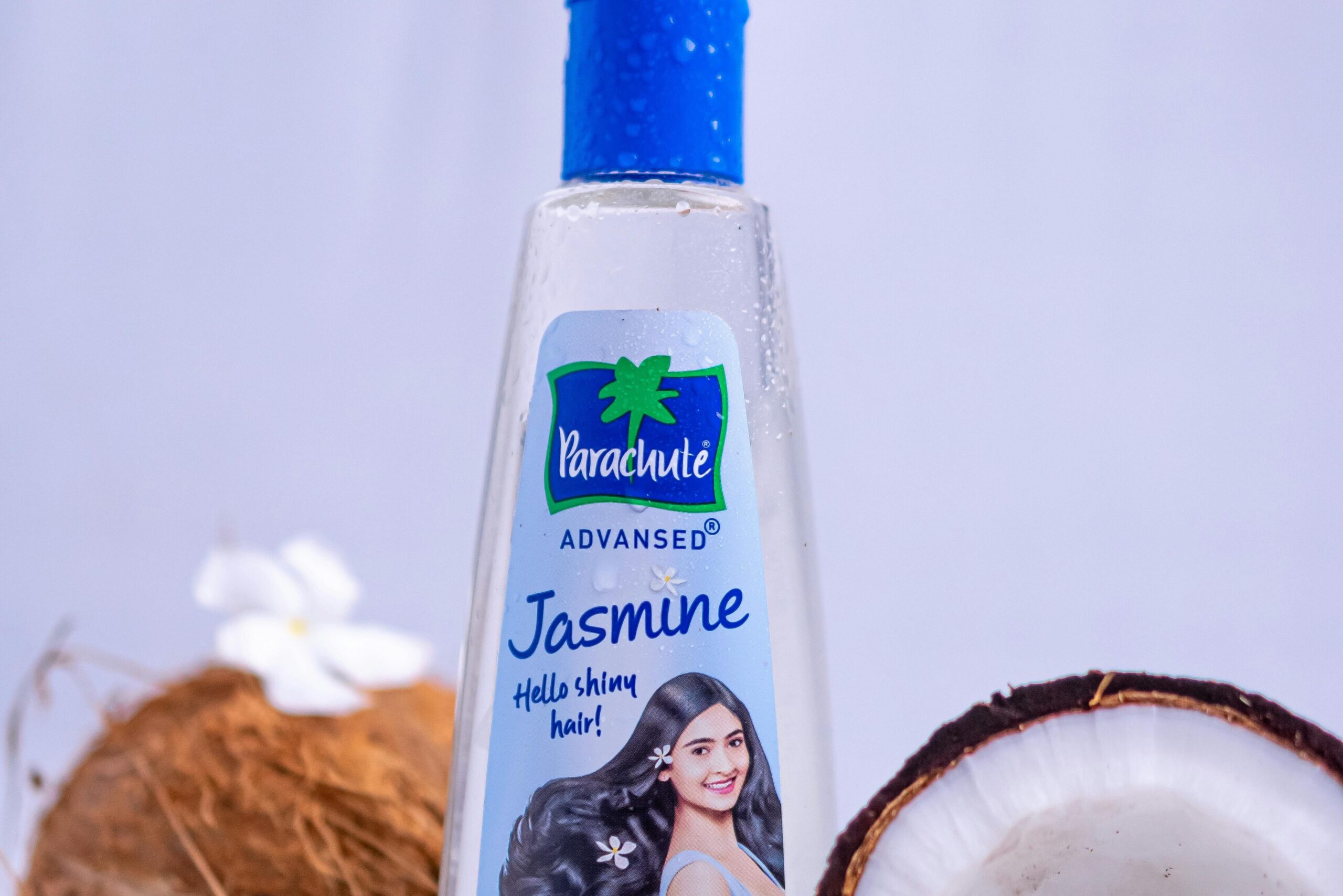
Coconut oil is perhaps the most versatile hair oil, suitable for nearly all hair types.
Its unique molecular structure allows deep penetration into the hair shaft, preventing protein loss during washing. This protection reduces breakage and allows your hair to retain length.
Benefits:
- Reduces dandruff with antimicrobial properties
- Adds shine and softness
- Prevents split ends
- Affordable and widely available
Application method:
- Use virgin, unrefined coconut oil
- Apply to dry hair before washing (pre-shampoo treatment)
- Leave for 30 minutes to overnight
- Or use small amounts on damp hair as leave-in conditioner
Best for: Dry, damaged hair; all hair types except very fine hair (can be heavy)
Pro tip: Melt in hands before applying for easier distribution.
Studies show coconut oil reduces hair protein loss by up to 39%, making it essential for maintaining strong, healthy strands.
3. Rosemary Oil – The Scientific Favorite
Recent research has proven rosemary oil as effective as minoxidil for hair growth, without the side effects.
A 2015 study found that using rosemary oil for six months produced the same hair count increase as 2% minoxidil. The oil improves cellular generation and increases blood circulation to the scalp.
How to use:
- Mix 5 drops rosemary essential oil with 1 tablespoon carrier oil (jojoba, coconut)
- Massage into scalp thoroughly
- Leave for minimum 30 minutes
- Use 3-4 times weekly
Important: Never apply essential oils directly without diluting. They’re too concentrated and can irritate skin.
Best for: Pattern hair loss, slow growth, improving thickness
Many users notice reduced shedding within 2-3 weeks and visible new growth by month three.
4. Peppermint Oil – The Circulation Booster
Peppermint oil creates a cooling, tingling sensation that indicates increased blood flow to follicles.
Research on mice showed peppermint oil increased hair follicle number and depth significantly better than minoxidil and saline. While human studies are limited, thousands of users report impressive results.
Application:
- Mix 2-3 drops with carrier oil
- Massage into scalp (expect tingling)
- Leave 20-30 minutes
- Wash thoroughly
- Use 2-3 times weekly
Warning: The tingling is normal, but if it burns intensely, wash immediately. You may be sensitive or used too much.
Best for: Sluggish growth, improving scalp health, stimulating dormant follicles
Combine with rosemary oil for enhanced growth effects.
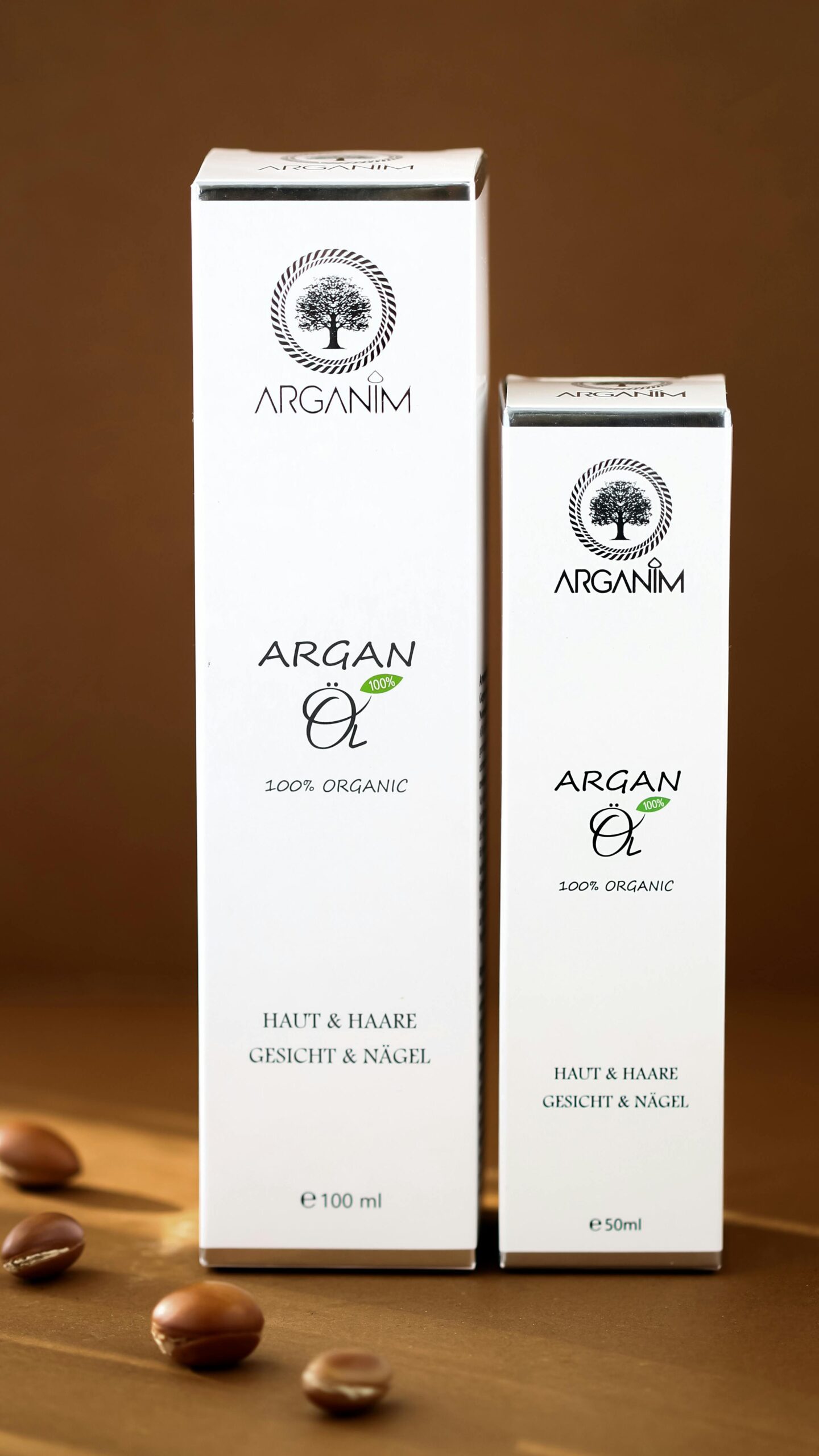
5. Argan Oil – Liquid Gold for Hair
Argan oil, sourced from Moroccan argan trees, is packed with vitamin E, fatty acids, and antioxidants.
This lightweight oil absorbs quickly without leaving hair greasy. It’s particularly effective at taming frizz, adding shine, and protecting against heat damage and environmental stressors.
Benefits:
- High in vitamin E (promotes cell growth)
- Protects from UV damage
- Reduces inflammation
- Suitable for all hair types
How to use:
- Apply 3-4 drops to damp hair after washing
- Focus on mid-lengths to ends
- Use daily as leave-in treatment
- Can also use as overnight scalp treatment weekly
Best for: Damaged hair, heat-styled hair, color-treated hair, adding shine
While not the strongest for growth alone, argan oil supports overall hair health, which indirectly promotes better growth and length retention.
6. Jojoba Oil – The Scalp Healer
Jojoba oil closely mimics sebum, the natural oil your scalp produces. This makes it incredibly effective for balancing scalp health.
For those with oily scalps, jojoba can actually regulate oil production. For dry scalps, it provides needed moisture without clogging pores.
Key properties:
- Antibacterial and antifungal
- Rich in vitamins B, C, E
- Contains zinc and copper (essential for hair growth)
- Non-comedogenic (won’t clog follicles)
Application:
- Use as carrier oil for essential oils
- Apply directly to scalp 2-3 times weekly
- Leave overnight for deep treatment
- Can mix with other oils
Best for: Sensitive scalps, dandruff, seborrheic dermatitis, balancing oil production
A healthy scalp is the foundation of healthy hair growth, making jojoba an excellent choice for long-term hair health.
7. Olive Oil – The Ancient Secret
Olive oil has been used for hair care since ancient Greek and Roman times, and its benefits remain relevant today.
Rich in antioxidants and oleic acid, olive oil penetrates the hair shaft and retains moisture. Extra virgin olive oil contains the highest nutrient content.
How to use:
- Warm ¼ cup olive oil
- Apply generously to dry hair and scalp
- Cover with shower cap
- Leave 30 minutes to several hours
- Shampoo twice to remove (it’s heavy)
- Use weekly as deep conditioning treatment
Best for: Thick, coarse, dry hair; Mediterranean and African hair types
Olive oil is heavy, so those with fine or thin hair should use sparingly or focus only on ends.
8. Almond Oil – The Gentle Nourisher
Sweet almond oil is lightweight, making it perfect for those who find heavier oils too greasy.
It’s rich in magnesium, which reduces hair fall. Biotin content supports keratin production, the protein that makes up your hair structure.
Benefits:
- Strengthens and reduces breakage
- Adds softness and shine
- Soothes irritated scalp
- Absorbs easily
Application:
- Use as daily leave-in (2-3 drops on damp hair)
- Or as pre-shampoo treatment weekly
- Excellent for scalp massage base oil
Best for: Fine to medium hair, sensitive scalps, daily use
Almond oil is gentle enough for frequent use and suitable for children’s hair care.
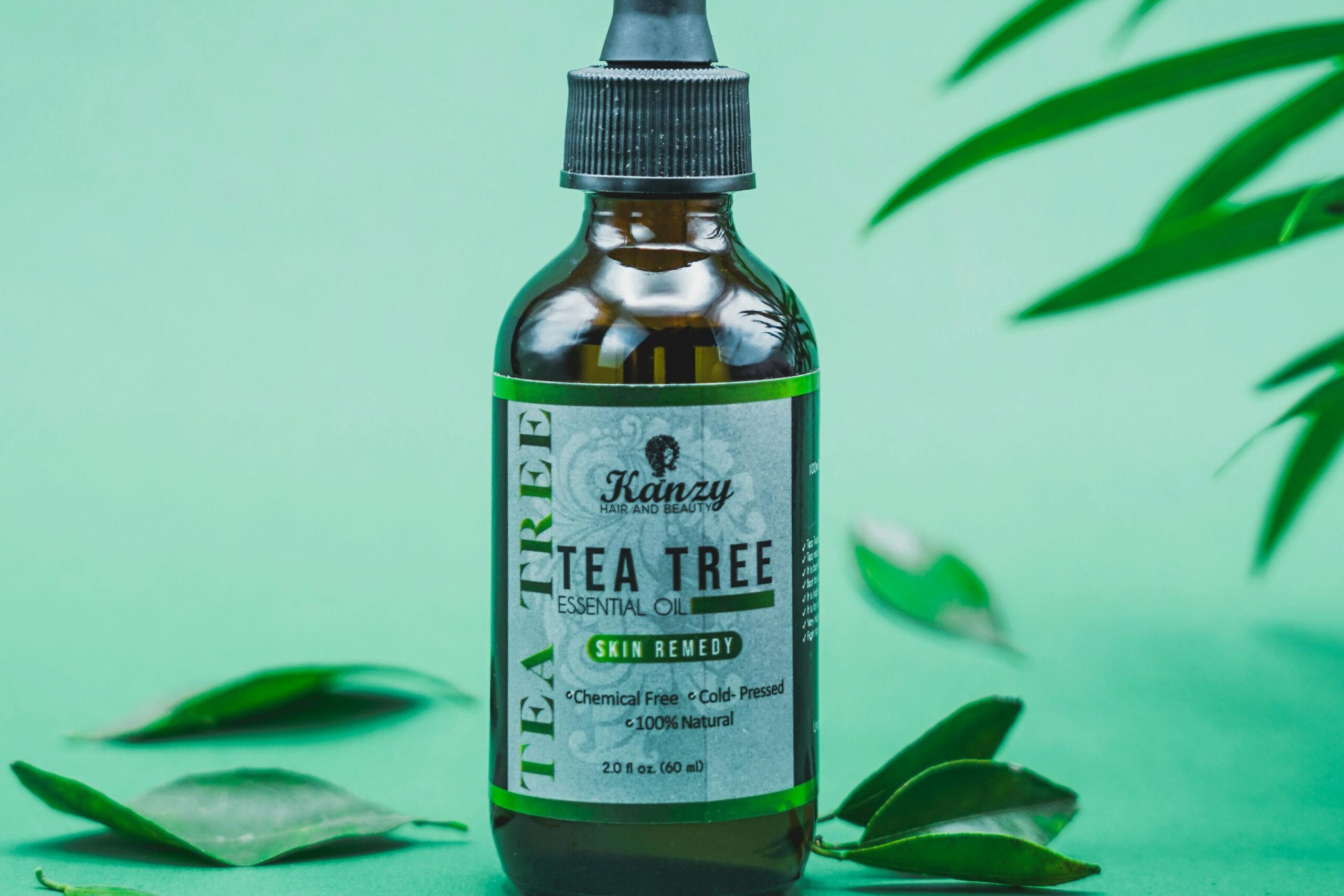
9. Tea Tree Oil – The Scalp Cleanser
Tea tree oil isn’t primarily for growth, but it creates the optimal environment for growth by addressing scalp issues.
Its powerful antimicrobial and antifungal properties combat dandruff, folliculitis, and other scalp conditions that inhibit growth.
How to use:
- Add 5-10 drops to your regular shampoo
- Or mix 3 drops with carrier oil for scalp treatment
- Massage thoroughly
- Leave 10-15 minutes
- Rinse well
- Use 1-2 times weekly
Best for: Dandruff, itchy scalp, oily scalp, folliculitis
Warning: Never use undiluted. Tea tree oil is very strong and can cause irritation.
Once scalp issues clear, you’ll notice improved growth as follicles function normally again.
10. Grapeseed Oil – The Lightweight Option
Grapeseed oil is extracted from grape seeds and is one of the lightest hair oils available.
High in linoleic acid and vitamin E, it strengthens hair while controlling frizz. The light texture means no greasy residue, making it ideal for daily use.
Benefits:
- Won’t weigh hair down
- Locks in moisture
- Adds shine without greasiness
- Contains antioxidants
Application:
- Use 4-5 drops on damp hair after washing
- Can apply to dry hair for shine
- Safe for daily use
Best for: Fine, thin, or oily hair types; those who avoid heavy oils
Grapeseed oil is an excellent introduction to hair oiling for beginners hesitant about greasy results.

How to Choose the Right Oil for Your Hair Type
Not all oils work for everyone. Match the oil to your specific needs:
For fine, thin hair: Grapeseed oil, almond oil, argan oil (lightweight, won’t weigh down)
For thick, coarse hair: Coconut oil, olive oil, castor oil (heavier oils for deep nourishment)
For damaged hair: Argan oil, coconut oil (repair and strengthen)
For hair loss: Rosemary oil, peppermint oil, castor oil (stimulate growth)
For scalp issues: Tea tree oil, jojoba oil (healing and balancing)
For daily use: Argan oil, almond oil, grapeseed oil (light enough for frequent application)
You can also blend oils. For example: 2 tablespoons coconut oil + 5 drops rosemary oil + 3 drops peppermint oil creates a powerful growth-boosting treatment.
Pro Tips for Maximum Results
Warm the oil: Slightly warm oil penetrates better. Microwave 10-15 seconds or rub between palms.
Massage technique matters: Use circular motions with medium pressure for 5-10 minutes. This increases blood flow significantly.
Consistency is everything: Results require 4-12 weeks of regular use. Mark your calendar to track application.
Protect while sleeping: Use a satin pillowcase or silk bonnet if leaving oil overnight. This prevents transfer and maintains moisture.
Don’t overdo it: More isn’t better. Using too much oil can clog pores and cause buildup. Start with less; you can always add more.
Combine with other growth methods: Pair oils with proper nutrition, scalp massage, and protective styling for faster results.
Common Mistakes to Avoid
Using dirty oils: Always buy from reputable brands. Rancid or contaminated oils damage rather than help.
Skipping patch tests: Always test new oils on your inner arm first. Wait 24 hours to check for allergic reactions.
Applying to wet hair (carrier oils): Most oils work best on dry or damp hair, not soaking wet. Water blocks absorption.
Not washing out properly: Heavy oils need thorough cleansing. Double shampoo if needed, or hair will look greasy.
Expecting overnight miracles: Hair growth is a slow process. Natural oils work, but they need time and consistency.
Conclusion
The best hair oils for hair growth offer natural, effective solutions for anyone looking to improve hair health and accelerate growth.
Castor oil and rosemary oil lead for pure growth stimulation. Coconut oil and argan oil excel at overall hair health and protection. Tea tree and jojoba oils optimize scalp conditions for better growth.
Start with one oil that matches your hair type and concerns. Use it consistently for at least six weeks before evaluating results. Many people find success combining two or three oils in their routine.
Your hair growth journey doesn’t require expensive treatments or harsh chemicals. These natural oils have stood the test of time and science.
Which oil will you try first? Share your experiences and results in the comments below!
Frequently Asked Questions
Can I mix different hair oils together? Yes! Blending oils often provides better results than single oils. Try combining a carrier oil (coconut, jojoba) with an essential oil (rosemary, peppermint) for maximum benefits.
How long should I leave hair oil in? Minimum 30 minutes for benefits, but 2-3 hours or overnight provides deeper conditioning. Essential oils should not exceed 30-40 minutes unless heavily diluted.
Will hair oils make my hair greasy? Not if you use the right amount and wash thoroughly. Choose lightweight oils for fine hair, and always shampoo completely after heavy oil treatments.
How soon will I see results? Most people notice reduced shedding in 2-3 weeks. Visible growth and thickness improvements typically appear after 6-8 weeks of consistent use.