
The Ultimate Guide to Hair Fall Treatment: Reclaim Your Crowning Glory

Regain your confidence with effective solutions for hair loss. Discover expert tips and strategies in our ultimate guide to hair fall treatment.
Understanding Hair Fall: More Than Just Genetics
Before diving into treatment options, recognizing why hair falls out helps target the right solution. While hereditary hair loss affects millions worldwide, other factors play equally significant roles. Hormonal imbalances, particularly thyroid disorders and post-pregnancy changes, frequently trigger excessive shedding. Nutritional deficiencies, especially iron and vitamin D, starve follicles of essential building blocks. Stress—both physical and emotional—pushes hair into premature resting phases, leading to noticeable thinning weeks later.
Modern lifestyles compound these issues. Chemical treatments, heat styling, and tight hairstyles damage hair structure over time. Even certain medications list hair loss among their side effects. Identifying your specific trigger transforms treatment from guesswork into targeted action.
Medical Treatments That Actually Work
When home remedies fall short, medical interventions offer proven results backed by clinical research. Minoxidil stands as the most accessible topical treatment, available without prescription in various strengths. This vasodilator increases blood flow to follicles, extending the growth phase and potentially reversing miniaturization. Consistency matters enormously—visible results typically emerge after four months of daily application.
For androgenetic alopecia, finasteride tablets block DHT hormone conversion, the primary culprit behind male pattern baldness. Women with hormonal hair loss often benefit from anti-androgen medications prescribed alongside oral contraceptives. These pharmaceutical approaches require medical supervision but demonstrate impressive efficacy rates.
Platelet-rich plasma therapy represents cutting-edge hair restoration technology. This procedure concentrates your blood’s growth factors and injects them into the scalp, stimulating dormant follicles. While requiring multiple sessions, PRP treatment shows remarkable promise for both men and women experiencing pattern baldness.
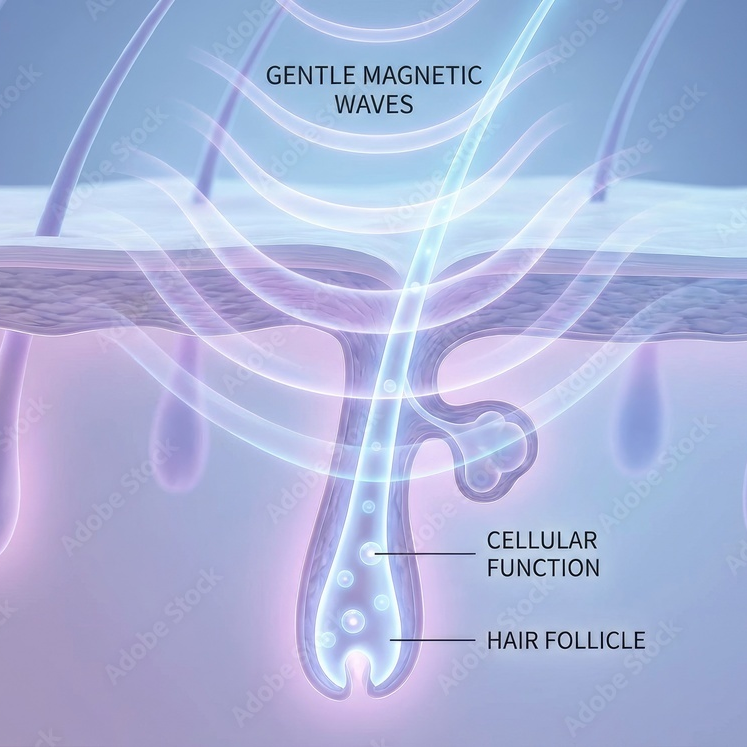
Low-level laser therapy devices now bring professional treatments home. These FDA-cleared caps and combs emit specific wavelengths that energize follicle cells at the cellular level. Though results accumulate gradually, this non-invasive option suits those seeking pain-free solutions.
Natural Remedies and Holistic Approaches
Nature provides powerful allies in combating hair fall, though patience becomes essential. Scalp massage increases circulation while reducing stress hormones—five minutes daily makes measurable differences. Essential oils like rosemary and peppermint demonstrate growth-promoting properties when diluted properly in carrier oils.
Nutritional supplementation addresses internal deficiencies fueling hair loss. Biotin strengthens keratin infrastructure, while iron supplements combat anemia-related shedding. Omega-3 fatty acids nourish follicles from within, promoting healthier growth cycles. However, excessive supplementation causes harm—blood tests should guide dosage decisions.
Herbal treatments carry centuries of traditional use behind them. Saw palmetto may block DHT naturally, offering a botanical alternative to pharmaceutical options. Ginseng enhances scalp circulation while reducing inflammation. Green tea extract provides antioxidants that protect follicles from oxidative stress.
Dietary modifications support hair health comprehensively. Protein-rich foods supply amino acids essential for keratin production. Leafy greens deliver iron and folate, while nuts provide selenium and vitamin E. Hydration cannot be overlooked—dehydrated cells cannot function optimally.
Advanced Hair Restoration Procedures
When conservative treatments prove insufficient, surgical options provide permanent solutions. Follicular unit extraction revolutionized hair transplantation by eliminating linear scarring. Surgeons harvest individual follicles from donor areas and implant them into thinning regions, creating natural-looking density. Modern techniques achieve remarkably undetectable results.
Scalp micropigmentation offers non-surgical alternatives for those unsuited to transplantation. This specialized tattooing creates the illusion of fuller hair by replicating follicle shadows. The procedure works exceptionally well for buzz-cut styles and adding density appearance to thinning areas.
Stem cell therapy emerges as frontier science in hair restoration. Researchers investigate how regenerative medicine might reactivate dormant follicles or even generate new growth. While still largely experimental, early results spark considerable excitement.
Daily Hair Care Practices That Prevent Further Loss
Prevention equals half the battle in managing hair fall. Gentle handling protects fragile strands—wide-tooth combs reduce breakage, while satin pillowcases minimize friction during sleep. Limiting heat styling preserves hair integrity, and when heat becomes necessary, thermal protectants shield strands from damage.
Choosing appropriate hair products makes tremendous differences. Sulfate-free shampoos clean without stripping natural oils, while protein treatments strengthen damaged hair. Avoid products containing harsh chemicals or heavy silicones that suffocate follicles.
Scalp health deserves equal attention to hair itself. Regular clarifying removes product buildup that clogs follicles. Chemical exfoliants containing salicylic acid address dandruff and inflammation. A balanced scalp pH creates optimal growth conditions.
Stress management significantly impacts hair retention. Meditation, exercise, and adequate sleep regulate cortisol levels that otherwise disrupt growth cycles. Some practitioners find acupuncture helpful for hormone balance and circulation enhancement.
Creating Your Personalized Treatment Plan
Effective hair fall treatment rarely involves single solutions. Combination approaches targeting multiple pathways yield superior results. Someone with nutritional deficiencies and hormonal imbalance might combine supplements, prescription medication, and topical treatments for comprehensive coverage.
Timeline expectations matter crucially. Hair growth cycles span months, not weeks. Most treatments require four to six months before visible improvements emerge. Patience and consistency determine success more than any miracle product.
Professional guidance optimizes outcomes while preventing counterproductive approaches. Dermatologists specializing in hair disorders can diagnose underlying conditions and recommend evidence-based protocols. Trichologists offer specialized expertise in hair and scalp science.
Regular progress tracking helps maintain motivation and adjust strategies. Monthly photographs from consistent angles reveal subtle changes invisible day-to-day. Keeping a symptom journal identifies patterns between lifestyle factors and shedding episodes.

The Psychological Journey of Hair Restoration
Hair loss affects mental health profoundly, yet this aspect often goes unaddressed. Anxiety about appearance can spiral into social withdrawal. Support groups—both online and in-person—connect individuals sharing similar experiences, reducing isolation.
Realistic expectations prevent disappointment and abandonment of effective treatments. Complete restoration may not always be possible, but significant improvement usually is. Some choose to embrace hair loss as part of their identity, finding empowerment through acceptance.
The journey toward healthier hair builds self-care habits benefiting overall wellness. Improved nutrition, stress reduction, and attentive grooming enhance quality of life beyond cosmetic concerns.
Remember that hair fall treatment success stories unfold daily. Advanced medicine, time-tested natural approaches, and holistic lifestyle changes combine to restore not just hair, but confidence and joy. Your crowning glory deserves investment—take that first step today toward the healthier, fuller hair you deserve.